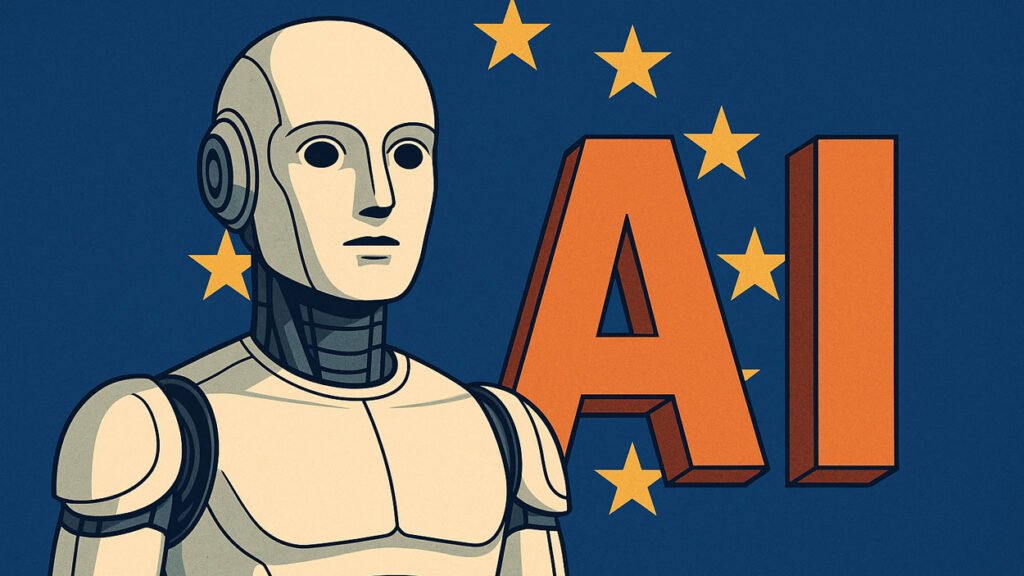


The European Commission is considering delaying parts of its landmark Artificial Intelligence Act in response to strong lobbying from US tech giants and pressure from the Trump administration.
Quick Summary (TLDR):
- The EU may pause key parts of the AI Act due to lobbying from companies like Meta and Alphabet.
- The move is part of a simplification package being discussed ahead of a November 19 decision.
- The US government has warned against strict rules that could spark trade tensions or affect security cooperation.
- The proposed delays would affect high-risk AI provisions and enforcement penalties.
What Happened?
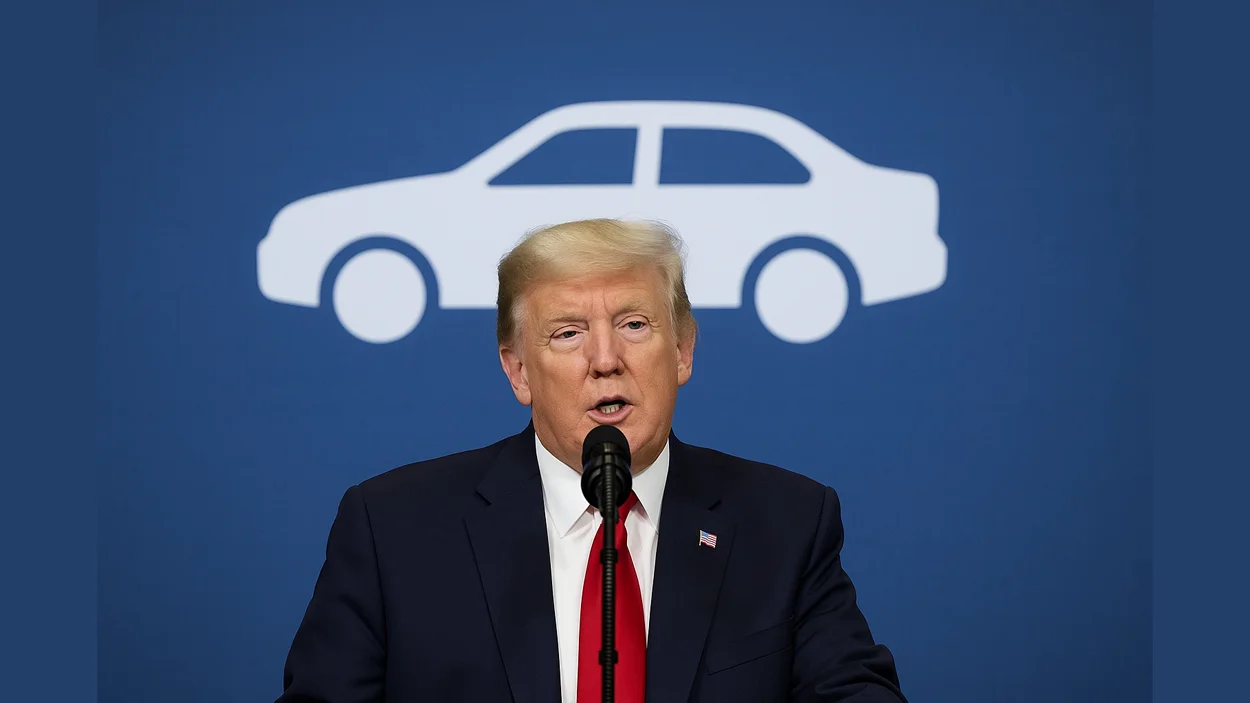
The European Commission is now weighing a potential delay in implementing some of the more controversial parts of the Artificial Intelligence Act, which came into force in August 2024. While initially firm on its rollout timeline, Brussels has shifted its stance under mounting pressure from US tech companies and diplomatic concerns from the Trump administration.
EU Rethinks AI Rollout Under Global Pressure
The AI Act is the world’s first attempt at broadly regulating artificial intelligence across multiple sectors, aiming to ensure transparency, safety, and ethical use. But parts of the law, especially those governing high-risk AI systems, have drawn sharp criticism from Silicon Valley heavyweights and US officials.
🇪🇺 UPDATE: EU may slow-roll parts of the AI Act under pressure from the US and Big Tech.
— Cointelegraph (@Cointelegraph) November 7, 2025
Proposal includes a one-year grace period and delayed fines until Aug 2027. pic.twitter.com/ejfhdEtQgB
- Meta and Alphabet have warned the Act could hinder innovation and restrict Europe’s access to advanced technologies.
- The Trump administration reportedly urged the EU to soften its approach, citing risks of trade retaliation or reduced defense cooperation, particularly concerning support for Ukraine.
EU officials have confirmed ongoing discussions with Washington, framing the talks as part of a broader “simplification process.” The European Commission is expected to finalize its proposal by November 19, with the goal of refining the legislation while maintaining its core principles.
Delays Under Consideration
According to draft documents reviewed by the Financial Times, the Commission is contemplating several adjustments:
- A one-year grace period for companies already using high-risk AI systems before enforcement begins.
- Delaying financial penalties for violations of transparency requirements until August 2027, giving businesses time to align with new rules.
- A proposal to centralize oversight through an EU-level AI office to ease compliance and streamline regulation.
A spokesperson for the Commission confirmed the ongoing discussions but emphasized that the EU remains “fully behind the AI Act and its objectives.”

Industry and Political Backlash
The possible delay marks a significant shift, as the Commission had earlier rejected calls to pause or adjust the Act. In July, a Commission spokesperson dismissed concerns from companies and EU member states, affirming that the law would proceed as planned.
But momentum shifted following a provisional trade deal in August and mounting fears of diplomatic fallout with the US. Trump’s White House has expressed concerns that overly strict EU rules could isolate European tech from global competition or disrupt intelligence-sharing arrangements.
While the AI Act remains a cornerstone of the EU’s digital policy, the Commission’s willingness to consider flexibility signals its recognition of broader geopolitical and economic pressures.
Daily Research News Takeaway
I think this is a big moment in how the EU balances regulation with global tech influence. The AI Act was Europe’s bold move to lead the world in digital rules, but this pause shows how powerful external forces can reshape that vision. From a policy standpoint, the EU is trying to stay strong, but politically, it’s walking a tightrope. As someone following AI policy closely, I see this as a cautionary tale about the limits of regulation in a deeply interconnected tech world.