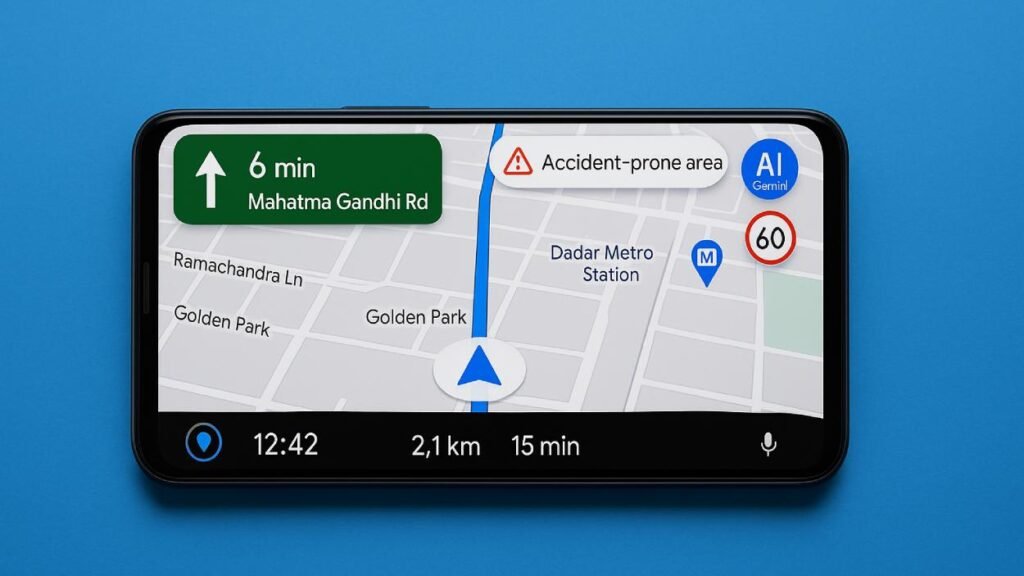


Google is rolling out a major upgrade to Maps in India, integrating its Gemini AI for smarter navigation and launching a host of new safety and utility features tailored for Indian commuters.
Quick Summary – TLDR:
- Gemini AI brings hands-free, conversational assistance to Google Maps in India.
- Safety alerts for accident-prone areas and speed limits roll out across key cities.
- New tools help two-wheeler riders, metro travelers, and highway users.
- Google teams up with Indian authorities to deliver real-time road and disruption data.
What Happened?
Google has announced 10 India-first features for Google Maps, powered by its advanced Gemini AI models. These updates aim to improve safety, ease of travel, and accessibility across India’s complex road networks. The company says the rollout, which includes features like AI-assisted navigation, accident alerts, and local tips, will reach Android and iOS users in India over the coming weeks.
Gemini has arrived as your hands-free driving assistant in the @GoogleMaps app. Find places along your route, check for EV availability, and share your ETA just by asking.
— Sundar Pichai (@sundarpichai) November 5, 2025
Gemini can also help with multi-step tasks like “find me a restaurant that serves vegetarian tacos within… pic.twitter.com/MjQxwCC1Ze
AI Navigation Gets Smarter with Gemini
The heart of the update is Gemini, Google’s most advanced AI system, now built into the Maps experience for Indian users. Drivers can now enjoy a conversational, hands-free assistant that responds to natural language questions and tasks.
- Ask for directions to the nearest petrol pump, inquire about parking availability, or request specific stops like “find a budget-friendly vegan restaurant nearby.”
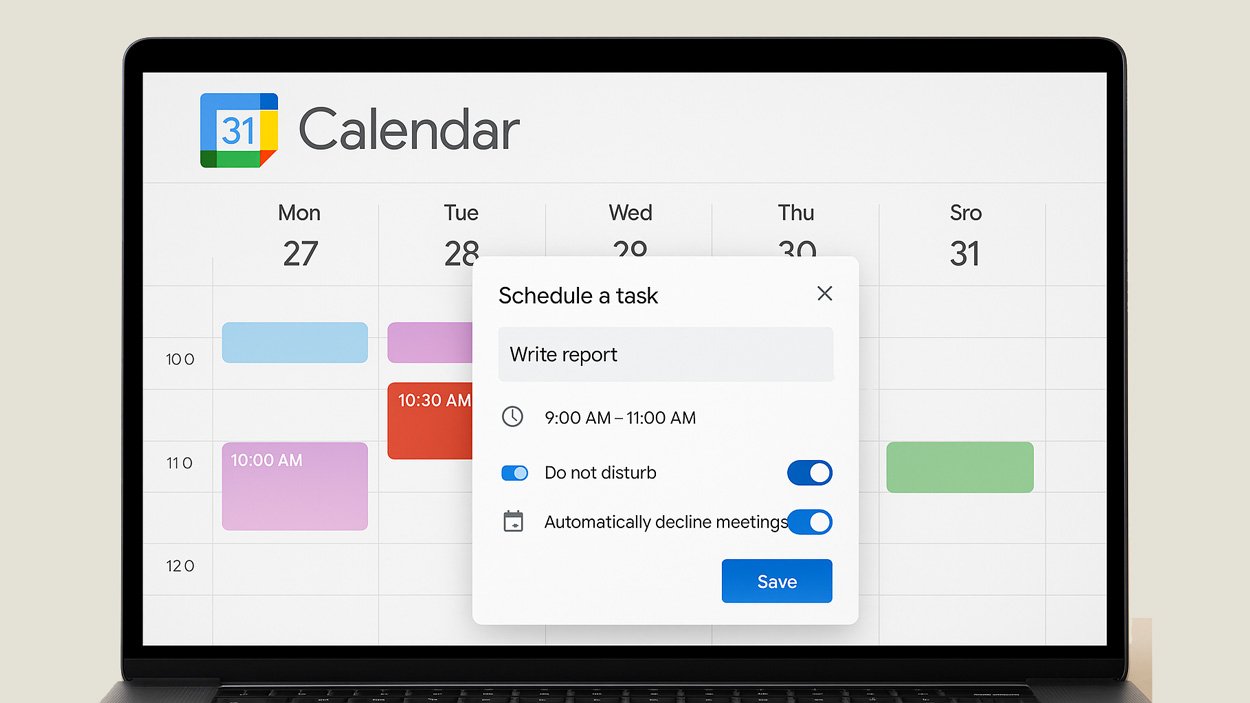
- Gemini also connects with other Google apps, allowing users to add meetings to Calendar or set reminders during navigation.
- Users can ask context-rich questions like “Does this place have parking?” or “Which stalls are must-visits?” and get answers pulled from reviews, photos, and web data.
- The AI uses landmark-based navigation, calling out visible and relevant landmarks instead of just street names, making directions clearer and more intuitive.
Localized Features Built for Indian Roads
India’s unique traffic patterns and navigation habits led to a highly localized rollout. According to Miriam Daniel, VP and Head of Google Maps, “It’s also adapting to how Indians use the product, how they will talk, how they will identify places… everything is sort of different in India.”
Google Maps now offers several India-specific safety tools:
- Accident-prone area alerts: Visual and audible alerts will warn drivers when they approach roads flagged by local authorities as dangerous. This is launching first in Gurugram, Cyberabad (Hyderabad), Chandigarh and Faridabad.
- Speed limit display: Speed limits are now shown alongside the speedometer in nine cities, including Mumbai, Kolkata, Hyderabad, Noida and Gurugram, using data from traffic departments.
- Proactive traffic alerts: Users will get early warnings about major disruptions and road closures, even when not using active navigation. This is live on major roads in Delhi, Mumbai and Bangalore.
- Partnership with NHAI: Google has teamed up with the National Highways Authority of India to integrate near real-time data on road work, diversions, and also highlight wayside amenities like restrooms, fuel pumps, and restaurants.

Useful Upgrades for Daily Commuters
Catering to India’s massive two-wheeler market and growing public transit usage, Google has rolled out several new utility features:
- Two-wheeler Navatars: Riders can now customize their navigation icon based on their bike type and color, available first on Android.
- Voice-assisted flyover navigation: Building on an earlier India-first feature, users will now hear detailed audio cues while navigating flyovers. The feature supports nine Indian languages.
- Metro ticketing integration: In cities like Delhi, Kochi, Bangalore and Chennai, users can save metro tickets in Google Wallet and access them directly from Maps.
Daily Research News Takeaway
As someone who’s spent hours stuck in Indian traffic or struggled to decode vague directions, I think this is one of the most practical upgrades we’ve seen from Google in a while. Integrating Gemini AI into Maps could actually make navigation feel personal and human, rather than robotic and rigid. The safety features are long overdue, especially with how chaotic and unpredictable Indian roads can be. It’s clear Google is no longer just tweaking its global features for India, it’s building with India in mind, and that’s a game changer.