

Microsoft is setting a new direction in the AI race by creating a team focused on building a “humanist superintelligence” that remains under human control and serves real-world needs.
TLDR:
- Microsoft forms the MAI Superintelligence Team, led by Mustafa Suleyman, to develop advanced AI that prioritizes human interests.
- The initiative breaks from the AGI arms race, focusing on controllable, practical applications in medicine, education, and energy.
- Microsoft emphasizes ethical development, avoiding unbounded AI and aiming for expert-level but safe systems.
- This effort supports Microsoft’s broader strategy to diversify AI beyond OpenAI and redefine AI’s societal role.
What Happened?
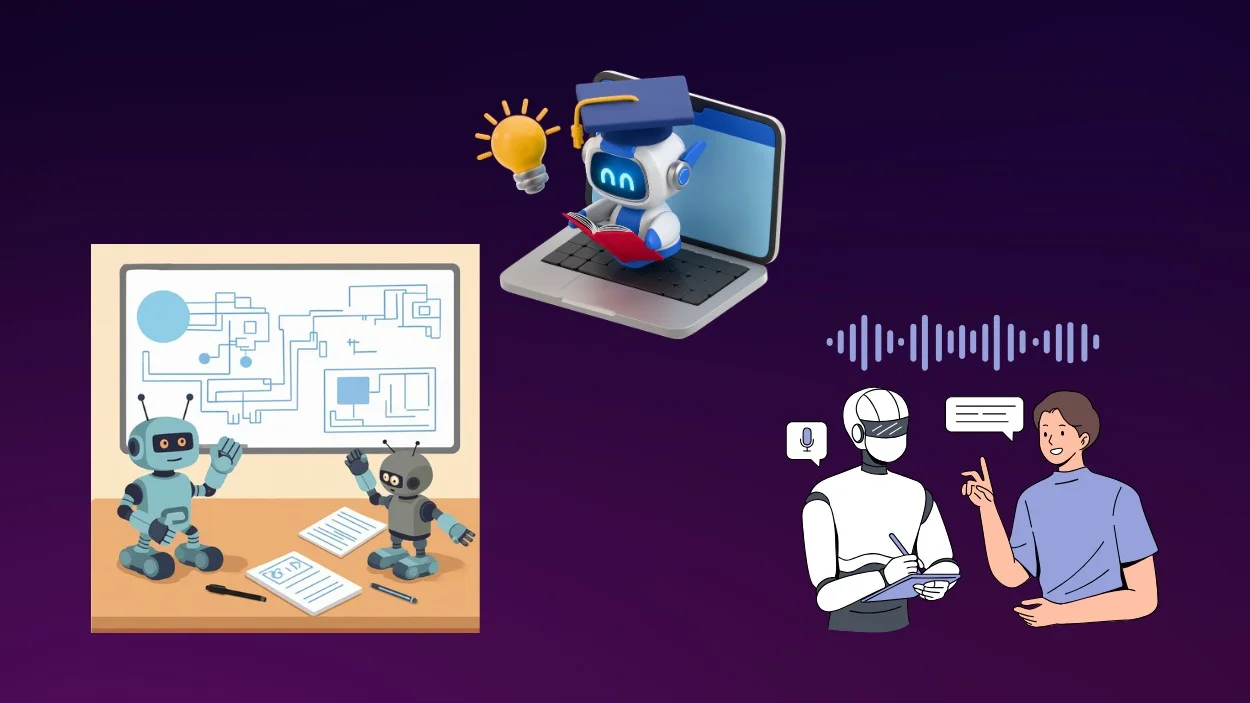
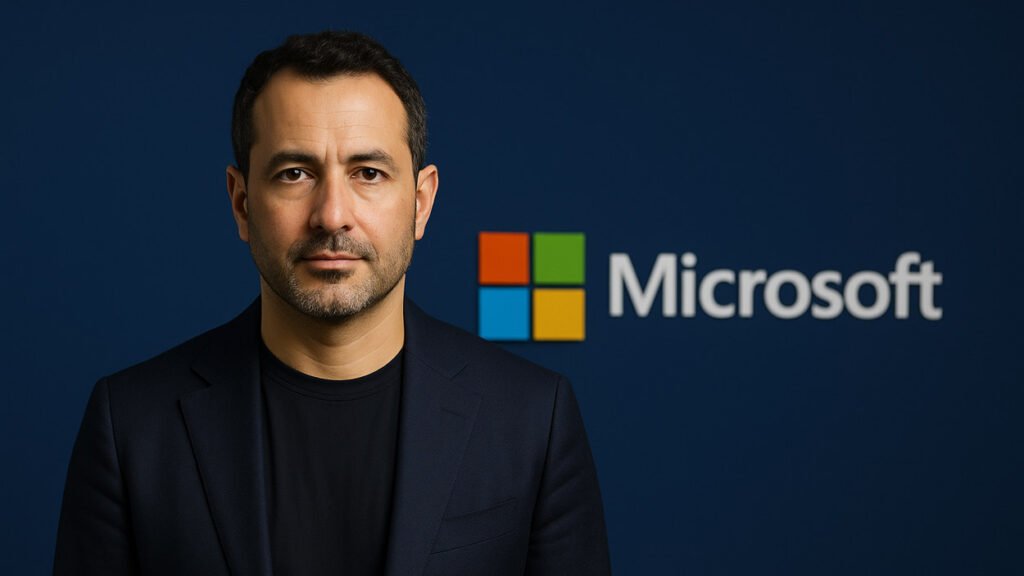
Microsoft announced the creation of a new internal group called the MAI Superintelligence Team, spearheaded by Mustafa Suleyman, CEO of Microsoft AI. This team will focus on developing a form of AI that Microsoft calls “humanist superintelligence”. The goal is to build highly capable but safe and controllable AI systems that explicitly serve humanity, rather than chase unlimited autonomy.
What kind of AI does the world really want?
— Mustafa Suleyman (@mustafasuleyman) November 6, 2025
At @MicrosoftAI, we’re working towards Humanist Superintelligence (HSI): incredibly advanced AI capabilities that always work for, in service of, people and humanity.
And to do this we have formed the MAI Superintelligence Team. pic.twitter.com/cwregOiyY9
Microsoft’s Humanist AI Vision
Under Suleyman’s leadership, Microsoft is shifting from competing in the artificial general intelligence (AGI) race to crafting a more grounded and purpose-driven AI. He described the vision as AI that is “carefully calibrated, contextualized, within limits” and designed to support people, not operate independently of them.
- The new team will include both existing Microsoft AI talent and new hires, with Karen Simonyan as Chief Scientist.
- It builds on Microsoft’s earlier acquisition of Suleyman’s startup, Inflection, and continues the company’s pivot toward in-house AI research.
- Suleyman stressed that this is not a race to AGI but a focused effort to deliver “tangible, specific, safe benefits” to billions of people.
Breaking from Big Tech’s AGI Arms Race
While companies like Meta and Google pour billions into developing broadly capable AGI, Microsoft is taking a different route. Suleyman rejected the notion of building “an unbounded and unlimited entity” and warned that such pursuits could lead to dangerous outcomes.
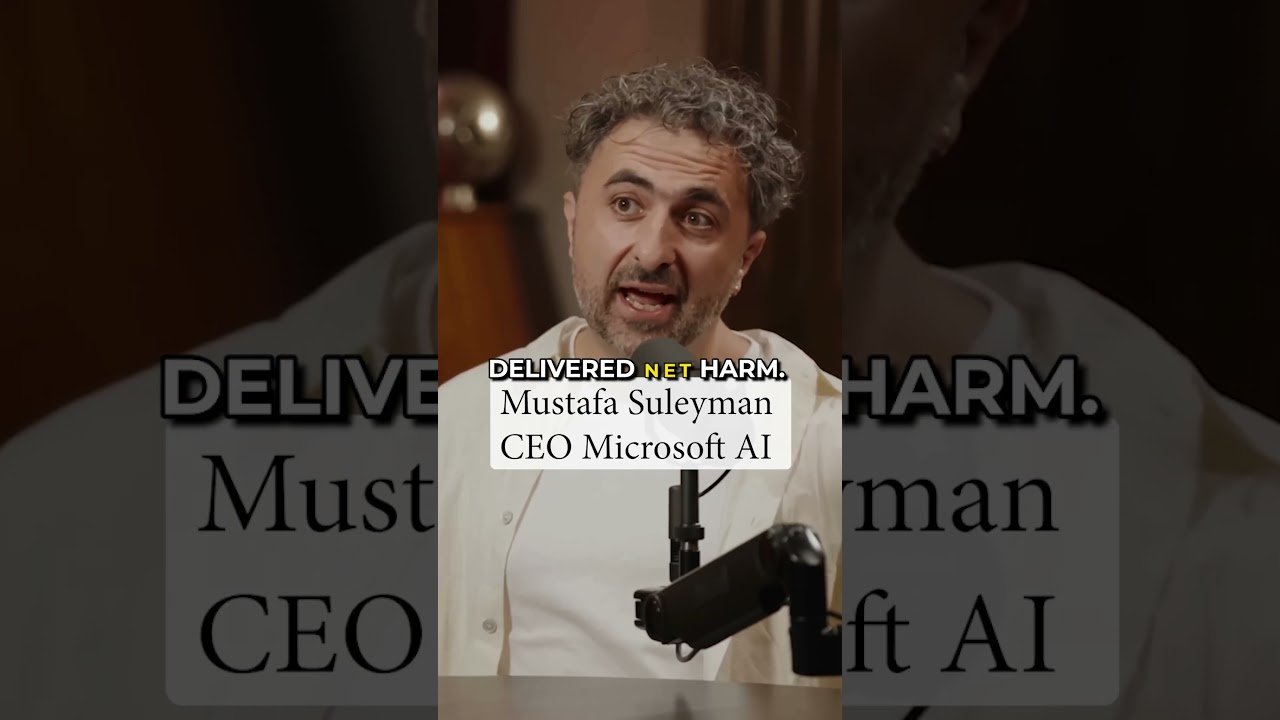
In a candid interview, he said,
Instead, Microsoft’s strategy is to develop predictable, explainable systems that integrate safely into high-stakes fields like healthcare and energy.
- Microsoft is also diversifying its AI sources, recently experimenting with models from Google and Anthropic.
- The company’s reliance on OpenAI remains strong, with OpenAI using Microsoft’s Azure cloud, but this new team signals a push for more internal innovation.

Applications in Medicine, Energy, and Education
Suleyman’s team aims to build AI companions that are expert-level in specific domains, not general-purpose systems. A major area of focus is healthcare, where Microsoft predicts that AI capable of expert-level diagnostics could emerge within two to three years.
Other key goals include:
- Medical AI that can reason through complex clinical problems and detect diseases early.
- AI in renewable energy, focusing on improving battery storage and efficiency.
- Educational assistants that support learning in accessible and personalized ways.
The approach takes inspiration from DeepMind’s AlphaFold, which made breakthroughs in protein structure prediction. Suleyman believes AI can offer similar superhuman capabilities across other scientific domains.
Balancing Power with Responsibility
One of Suleyman’s central messages is about restraint and responsibility. He argues that while today’s AI systems gain power through unpredictability, society must choose to prioritize safety and human oversight. “The story of our species has been infinitely unlocking capability… and putting it out there without restriction. This time, we need guardrails.”
Microsoft’s enterprise clients are not demanding sci-fi-style superintelligence. They want systems that can be trusted in real-world operations. As Suleyman put it, what businesses really need is “average intelligence with superhuman reliability.”
Daily Research News Takeaway
I really appreciate what Microsoft is doing here. In a world rushing toward ever-more-powerful AI, this is a much-needed reality check. It’s not about who gets to AGI first. It’s about building AI that’s actually useful, safe, and accountable. Mustafa Suleyman’s vision of humanist superintelligence feels refreshingly grounded. It speaks to a future where AI doesn’t replace us but genuinely helps us, whether in medicine, education, or climate tech. This isn’t just good PR. It’s a smart, long-term move.