

TikTok is rolling out a new feature that lets users decide how much AI-generated content appears in their “For You” feed.
Quick Summary (TLDR):
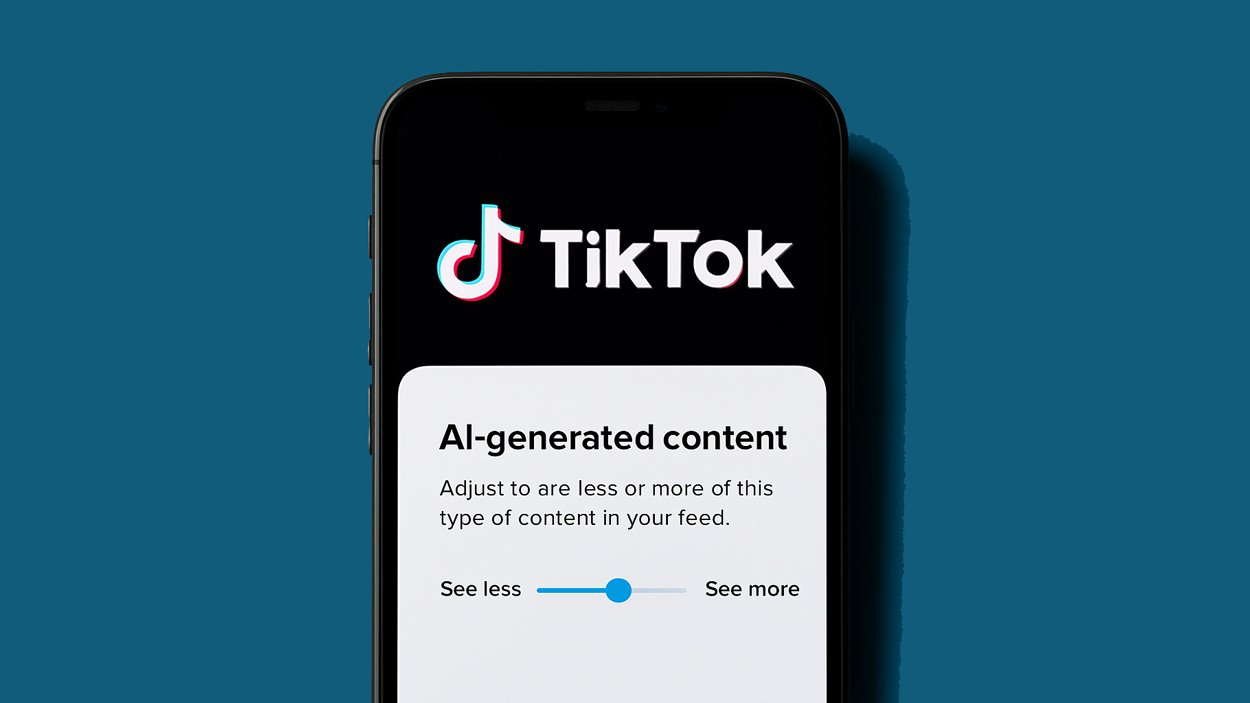
- TikTok users can now adjust how much AI-generated content they see using a new control in the “Manage Topics” section.
- The platform is also testing invisible watermarking to better identify and label AI-generated videos.
- Over 1.3 billion AI-tagged videos exist on TikTok, highlighting the need for better content filtering.
- A $2 million AI literacy fund has been launched to promote AI education and safety on the platform.
What Happened?
TikTok is introducing a user-friendly setting that allows people to reduce or increase the amount of AI-generated content in their personalized feeds. Alongside this, the platform is enhancing its AI content detection methods with invisible watermark technology and committing $2 million to fund AI literacy programs.
TikTok now lets you choose how much AI-generated content you want to see https://t.co/eOmYeZt06k
— TechCrunch (@TechCrunch) November 19, 2025
TikTok’s New AI Controls: A Personalized Experience
The update introduces a new AI-generated content (AIGC) control within TikTok’s existing “Manage Topics” tool. This feature lets users fine-tune their content preferences, including the ability to “see less” or “see more” AI-generated videos in their feed.
This move puts TikTok in line with growing concerns about the saturation of synthetic content. Similar platforms like Pinterest have faced user complaints about AI content overpowering authentic posts. Unlike some competitors, TikTok isn’t pushing AI to a separate space but allowing it to blend with regular content, on the user’s terms.
To access the new feature:
- Go to Settings
- Tap Content Preferences
- Choose Manage Topics
- Adjust the AI-generated content slider to your liking
The rollout will begin in the coming weeks.
Invisible Watermarks for Better AI Detection
TikTok’s battle with AI transparency doesn’t stop at user preferences. The company is testing a new “invisible watermarking” system, a behind-the-scenes layer of metadata that can only be detected by TikTok itself.
The goal is to improve the reliability of AI content labeling. Traditional methods like Content Credentials from the Coalition for Content Provenance and Authenticity (C2PA) often lose effectiveness when media is edited or reshared outside the app. By embedding a watermark that remains hidden but traceable, TikTok aims to keep AI-generated content clearly marked, even when it circulates on other platforms.
This watermark will apply to:
- Content made with TikTok’s AI tools like AI Editor Pro
- Uploads that already include C2PA’s Content Credentials
TikTok has already labeled over 1.3 billion AI-generated videos, but the platform admits current detection tools are imperfect.

Competing Platforms Embrace AI
The timing of TikTok’s update comes just after Meta introduced Vibes, an AI-only video feed, and OpenAI released Sora, a dedicated social media space for AI-generated videos. While these companies are segmenting AI content into standalone platforms, TikTok is taking a more integrated approach, letting users decide how much synthetic content they want mixed into their everyday experience.
Realistic AI videos, from historical reenactments to deepfaked celebrity clips, are increasingly common on TikTok. This new control feature allows users to better manage the flood of synthetic media based on their own comfort levels.
TikTok’s AI Literacy Push
In a move to promote informed engagement, TikTok is also launching a $2 million AI literacy fund. The initiative will support educational efforts by organizations like Girls Who Code, aimed at improving public understanding of AI tools, safety, and transparency.
This marks a broader commitment from the company to not only give users control but also the knowledge to navigate the shifting landscape of AI-generated media.
Daily Research News Takeaway
I think this update is a smart and timely move by TikTok. Instead of separating AI content into a different space or going all-in like some rivals, TikTok is giving users actual power over their experience. That’s the kind of control users have been asking for. Plus, the invisible watermarking tech feels like a behind-the-scenes superhero for content moderation. It’s reassuring to see a major platform taking responsibility for both user experience and AI transparency. This could really set a new standard for how social media handles synthetic content.