

President Donald Trump has unveiled a proposal to significantly reduce federal fuel economy standards, aiming to roll back regulations that were set under the Biden administration to curb vehicle emissions and promote cleaner cars.
TLDR:
- Trump proposes cutting the 2031 fuel economy target from 50.4 to 34.5 MPG, rolling back Biden-era standards.
- Automakers back the change, citing affordability and market flexibility.
- Environmental groups slam the move, warning of increased pollution and health risks.
- EV incentives, tailpipe emissions rules, and mileage fines are also being reversed, as Trump pushes a gasoline-first agenda.
What Happened?
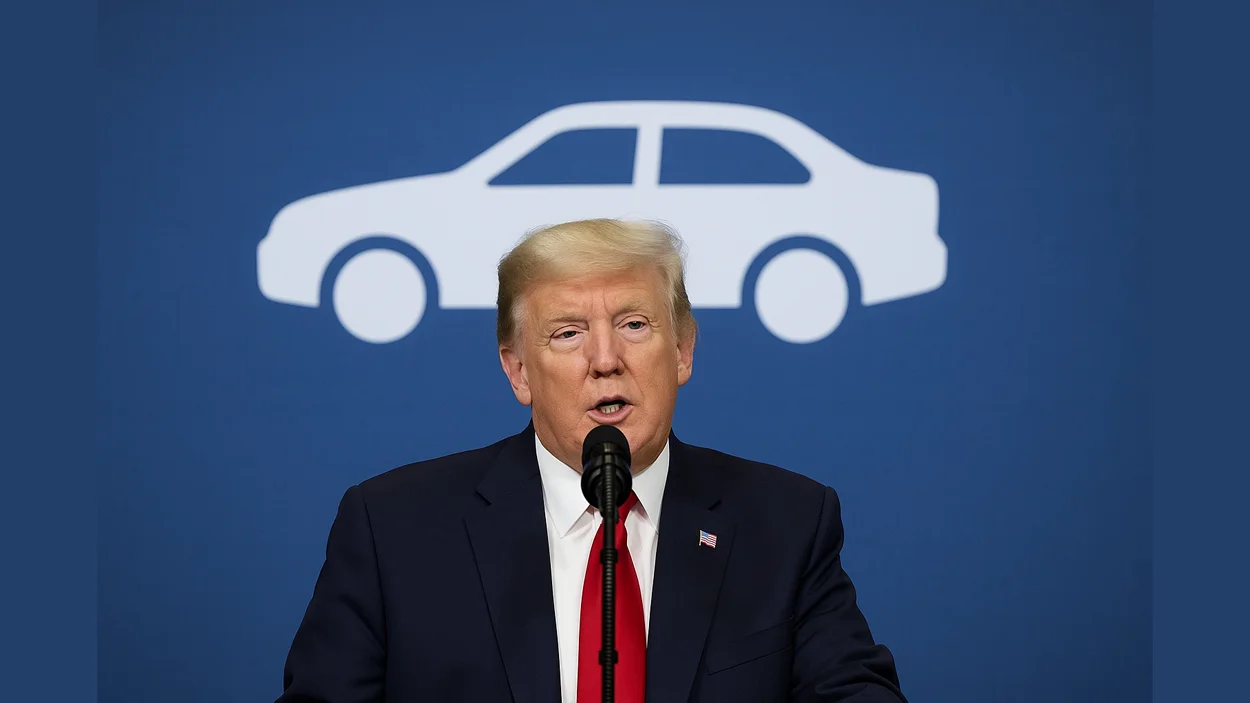
President Trump has proposed lowering fuel efficiency standards for new vehicles, targeting a 2031 fleetwide average of 34.5 miles per gallon, down from the Biden administration’s goal of 50.4 MPG. The announcement, made alongside top auto executives, marks a major shift in federal policy, reducing regulatory pressure on automakers and prioritizing affordability and consumer choice.
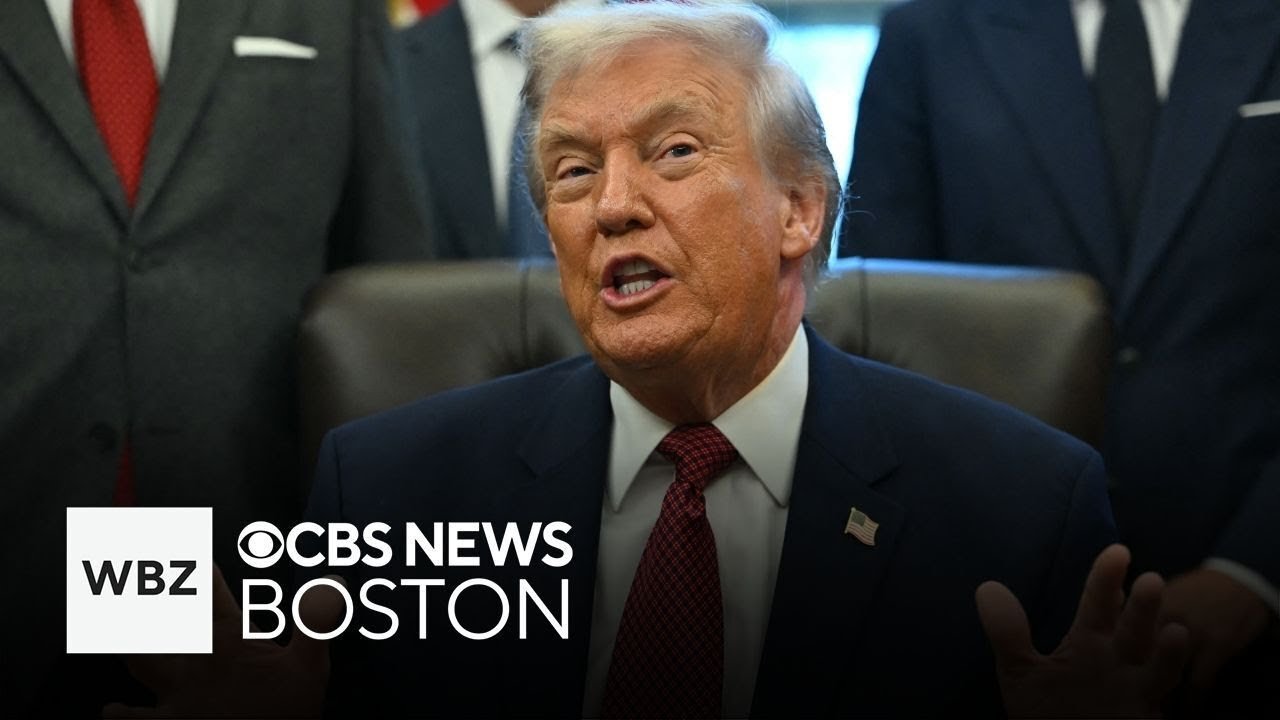
Trump Administration Rolls Back Mileage and Emission Rules
In a White House event with executives from Ford and Stellantis, Trump pitched the plan as a win for American car buyers and manufacturers.
Trump claims the rollback could shave $1,000 off the price of a new vehicle, although this figure lacks independent verification.
Ford CEO Jim Farley called the change “a win for customers and common sense,” while Stellantis CEO Antonio Filosa praised the move for realigning regulations with “real-world market conditions.”
The new rules, if finalized next year, would affect model years 2027 through 2031. Trump’s Department of Transportation has already repealed penalties for automakers failing to meet mileage targets and ended up to $7,500 in consumer EV tax credits.
Transportation Secretary Sean Duffy accused the Biden administration of illegally using Corporate Average Fuel Economy (CAFE) rules to push electric vehicle adoption, saying the new rules reflect “what Americans want to purchase, not vehicles that Joe Biden and Pete Buttigieg want to build.”
Trump rolls back ‘ridiculous’ Biden-era fuel economy standards in bid to lower new-car costshttps://t.co/tE0mo1F9WO pic.twitter.com/RR8BMkeLwE
— The Washington Times (@WashTimes) December 4, 2025
Environmental Impact and Health Risks Raise Alarm
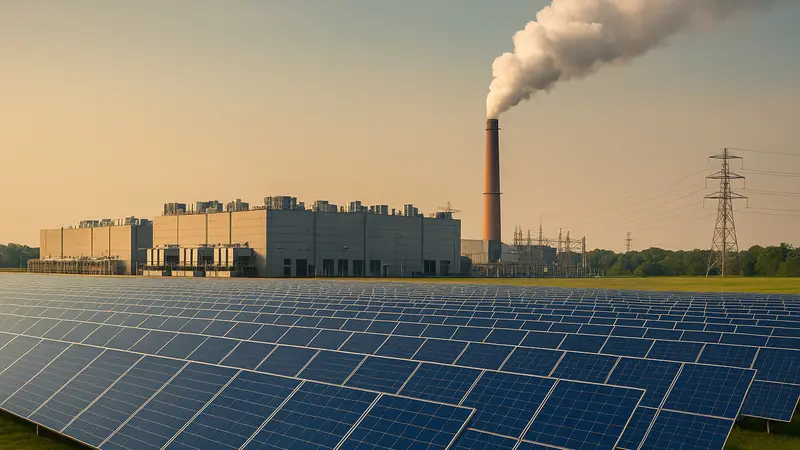
Environmental groups have sounded the alarm, pointing out that weakening fuel standards means more pollution, higher gas costs, and increased public health risks.
Darien Davis of the League of Conservation Voters said, “Slashing fuel economy standards will increase costs for drivers and threaten the progress made in reducing dangerous air pollution and preventing adverse health outcomes.”
According to government estimates from 2024, the higher Biden-era standards would have:
- Saved 70 billion gallons of gasoline by 2050
- Prevented 710 million metric tons of carbon dioxide emissions
- Saved Americans $23 billion in fuel costs over time
The new proposal, in contrast, could result in:
- 22,111 more tons of CO₂ per year by 2035
- An increase of 4,870 tons of smog-forming pollutants
- Around 90 additional tons of fine particulate matter annually
“This rollback would move the auto industry backwards, keeping polluting cars on our roads for years to come and threatening the health of millions of Americans,” warned Katherine García of the Sierra Club.

EV Push Halted as Gasoline Cars Take Center Stage
Trump continues to reject efforts to promote electric vehicles, calling the Democratic push for EVs. He falsely referred to it as a mandate and reaffirmed his belief that “people want the gasoline car.”
Under the Biden administration, the U.S. had aimed for 50 percent EV sales by 2030. Though not a legal mandate, the policy spurred automakers to invest heavily in electrification. Now, those investments face uncertainty.
GM, which has paid over $128 million in CAFE penalties, was absent from the White House event. In a statement, the company reiterated support for both gas and electric vehicles.
What’s Next?
The Department of Transportation will open the proposal for public comment before finalizing the new standards next year. Until then, the regulatory outlook remains in flux.
Environmental advocates vow to fight back. “Weakening fuel economy standards won’t do much to make cars more affordable, but it is certain to make Americans buy a lot more gasoline,” said Albert Gore of the Zero Emission Transportation Association.
Daily Research News Takeaway
Honestly, this rollback feels like a hard hit to both climate progress and long-term consumer savings. While I understand the pressure to keep car prices in check, gutting EV incentives and efficiency rules seems shortsighted. Americans might save a bit upfront, but we’ll pay more at the pump and breathe dirtier air down the road. It is a major pivot from clean tech momentum, and it risks leaving the U.S. behind in the global race toward greener transportation.